Frequently Asked Questions About Aquariums

Answers About Aquariums, Care, Equipment and Setup

Here you will find answers to fundamental questions about aquatics.
From setting up an aquarium and choosing equipment to maintenance, lighting and water quality.

General Questions About Aquariums

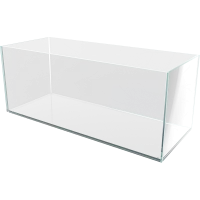
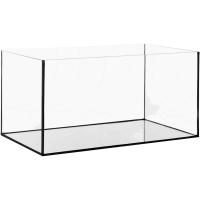
A functioning aquarium requires a tank, filter, lighting, heater, substrate and water care products. Plants are also essential for maintaining a stable biological balance. An aquarium should always be set up according to a plan rather than spontaneously.

An aquarium generally needs three to six weeks to become biologically stable. During this period, essential bacterial colonies develop and begin breaking down harmful substances. The aquarium should only be fully stocked with fish after this process is complete.

A weekly partial water change of 20–30% is recommended. Regular water changes help maintain stable water parameters and prevent harmful substances from accumulating.

Equipment and Technology

Aquariums of 60 litres or more are suitable for beginners. Larger tanks are more stable, are more forgiving of maintenance mistakes and are easier to keep balanced than very small aquariums.

Lighting influences plant growth, animal behaviour and algae formation. Modern LED lighting provides natural-style light control, including a day-and-night cycle, while remaining energy-efficient.

CO₂ is particularly beneficial for heavily planted aquariums. It supports healthy plant growth and reduces algae problems. CO₂ is not essential in aquariums containing few plants or artificial plants.

Care and Water Quality

Good water quality is indicated by clear water, active animals and healthy plants. Measuring the pH, nitrite, nitrate and temperature provides additional reassurance and helps identify problems at an early stage.

Common causes include unsuitable lighting, nutrient deficiencies, insufficient CO₂ or an unsuitable substrate. Plants need light, nutrients in both the water and substrate, and stable water parameters.

Algae are a sign of an imbalance. Possible causes include excessive light, excess nutrients or irregular water changes. Adjusting the lighting, maintenance intervals and plant stock can help in the long term.

Substrate and Decoration

The choice of substrate depends on the type of aquarium. Gravel is suitable for many community aquariums, soil supports plant growth, and specialised nutrient substrates benefit heavily planted tanks.
Aquarium wood and natural rocks are generally suitable, provided they are safe for aquarium use. They provide hiding places, add structure to the tank and support a natural appearance.

Food and Animals

Feeding small amounts once or twice a day is generally sufficient. All the food should be consumed within a few minutes to avoid placing an unnecessary burden on the water.
Shrimp food is specifically formulated for the needs of invertebrates. It contains a different nutrient profile, supports moulting and growth, and places less strain on the water than conventional fish food.

Planning and Safety

Yes, aquariums are suitable for living spaces. A stable base, sufficient load-bearing capacity of the floor and a location away from direct sunlight are important.

Many manufacturers showcase their products online. Purchases are generally made through specialist retailers or partners such as pet supply stores. This gives customers access to advice, service and an appropriate product selection.